almotamar.net - An official source at the General People's Congress (GPC)'s General Secretariat affirmed Tuesday that the GPC decided not to continue its dialogue with the Joint Meeting Parties unless the dialogue is based on the initiative of President Ali Abdullah Saleh.
The head of the Information Office of the GPC Tareq al-Shamy said the initiative of the president is basically manifested in constitutional amendments to transfer the political system to a new formulation whether at the central level or the local regarding the system of local rule. Subsequently, he added, it is logical that the constitutional amendments should be on top of the dialogue agenda as the discussion of any law depends in the first place on the constitution, the essential document and legislative reference to all laws, including the law of elections, the law of local rule and the rest of laws.
Tareq al-Shamy considered the statement issued by the JMP as an attempt for impeding the dialogue on the president of the republic's initiative, stressing that the GPC (the ruling party) would not be dissuaded by attitude of the JMP's stand from continuing its dialogue largely with the rest of political parties and organisations, civil society organisations and intellectual and cultural activities in the country and that stance is out of the GPC's historical responsibility to the masses of the people who granted it their confidence in the presidential and local elections and the parliamentary elections and also out of respect for the democratic national process.
The United Arab Emirates acknowledged on Tuesday that two of its pilots were killed when their military aggression plane crashed over Jawf province, a military official said
The official added that the aggressive crashed plane was an apache that was
Artillery of the army and popular shelled a gathering of Saudi-paid mercenaries in al-Moqadra area in Serwah district of Marib province, a military official said on Tuesday.
Meanwhile, dozens of Saudi-paid mercenaries were killed and others injured in Wadi al-Theek in the district, the official added.
The army and popular forces carried out on Monday unique military operations in Taiz province.
A military official said that a number of Saudi-paid mercenaries were killed at the hands of the army and popular forces in al-Jazami Hill in al-Kadaha area in al-Ma'afer district.
A Saudi aggression fighter jet targeted a citizen's car driving in Fara area of Kutaf district in Saada province overnight, killing the driver and injuring his friend, a security official said on Monday.
The army artillery and popular committees launched a fierce attack on Saudi-paid mercenaries' sites in Jawf province, a military official said on Monday.
The attack destroyed a military vehicle belonging to the mercenaries and killed all on board in Sabran area in khab and shaaf district.
Scores of Saudi enemy soldiers were killed and injured on Sunday when the army and popular forces repelled a Saudi military attempt to sneak into Shurfah site in the border province of Najran, a military official said.
The operation was accomplished successfully against the Saudi
The army and popular committees have killed a total of 18 Saudi-paid mercenaries in sniper operations over the past hours in the central province of Marib, a military official said on Sunday.
Ten mercenaries were killed in Nehm district and eight others were killed in Serwah district, said the official.
Saudi aggression warplanes have launched more than 49 airstrikes over the past hours on several residential areas across Yemen, a security official said on Sunday.
The airstrikes targeted the areas of Malahiz and Husama in Dhahir district, and areas Thuban, Masahif and Sdad in Bakim district of northern Saada province.


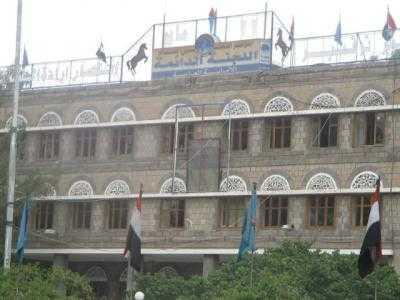
 The GPC suspends dialogue with JMP



