Almotamar.net - Supreme National Anti-Corruption Commission (SNACC) has on Tuesday called on the civil society for an effective partnership to draft an implementable national strategy for the enhancement of values of integrity and fighting corruption.
In a workshop organised today in collaboration with the German establishment for technical cooperation (GTZ), Deputy Chairman of the SNACC Dr Balqis Abu Isbaa emphasized the SNACC partnership with the civil society in drawing up the national strategy on anticorruption, pointing out that the Commission attaches much interest to this partnership in combating corruption and dissemination of awareness on dangers of corruption and means of preventing it. Dr Balqis recalled the Commission's endeavour to activate this partnership with many taken steps, among them its launching in late last year the idea of the national alliance for integrity in addition to holding the first consultative meeting the civil society organisations to learn their conception of fighting corruption.
Member of the SNACC Izzidin al-Asbahi called for the formation of a working team from governmental and non-governmental sides so that to establish a clear-cut national vision on combating corruption. He deemed the meeting as a fist step for building partnership between the Commission and various government and non-governmental institutions.
The United Arab Emirates acknowledged on Tuesday that two of its pilots were killed when their military aggression plane crashed over Jawf province, a military official said
The official added that the aggressive crashed plane was an apache that was
Artillery of the army and popular shelled a gathering of Saudi-paid mercenaries in al-Moqadra area in Serwah district of Marib province, a military official said on Tuesday.
Meanwhile, dozens of Saudi-paid mercenaries were killed and others injured in Wadi al-Theek in the district, the official added.
The army and popular forces carried out on Monday unique military operations in Taiz province.
A military official said that a number of Saudi-paid mercenaries were killed at the hands of the army and popular forces in al-Jazami Hill in al-Kadaha area in al-Ma'afer district.
A Saudi aggression fighter jet targeted a citizen's car driving in Fara area of Kutaf district in Saada province overnight, killing the driver and injuring his friend, a security official said on Monday.
The army artillery and popular committees launched a fierce attack on Saudi-paid mercenaries' sites in Jawf province, a military official said on Monday.
The attack destroyed a military vehicle belonging to the mercenaries and killed all on board in Sabran area in khab and shaaf district.
Scores of Saudi enemy soldiers were killed and injured on Sunday when the army and popular forces repelled a Saudi military attempt to sneak into Shurfah site in the border province of Najran, a military official said.
The operation was accomplished successfully against the Saudi
The army and popular committees have killed a total of 18 Saudi-paid mercenaries in sniper operations over the past hours in the central province of Marib, a military official said on Sunday.
Ten mercenaries were killed in Nehm district and eight others were killed in Serwah district, said the official.
Saudi aggression warplanes have launched more than 49 airstrikes over the past hours on several residential areas across Yemen, a security official said on Sunday.
The airstrikes targeted the areas of Malahiz and Husama in Dhahir district, and areas Thuban, Masahif and Sdad in Bakim district of northern Saada province.


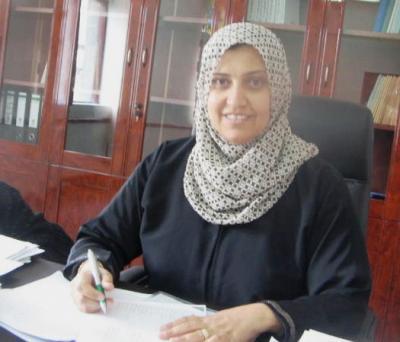
 SNACC calls for society's active partnership in anticorruption



