Almotamar.net, Saba - President Ali Abdullah Saleh has affirmed concern with Yemen's Islamic cities to enhance their role in serving Islamic culture, including Tarim city of Hadramout province.
In his editorial for a book published on occasion of choosing Tarim city as an Islamic Culture Capital for 2010, President Saleh added that citizens of the city have carried a flag of the Islamic call to different world countries since beginning of the Islamic age.
He highlighted celebrations on this occasion as Tarim is a city of science and knowledge in certain religious, scientific and humanitarian fields in addition to its contributions to the Islamic culture.
The book includes three chapters over the historical, geographical and cultural aspects for the city.
It is worth to mention that Tarim city was approved to be the Islamic Culture Capital 2010 by the Islamic Educational, Scientific and Cultural Organization (ISESCO).
The city is famous for its 365 mosques and prominent Islamic architecture. The most famous of these is the Mihdhar Mosque, with the distinctive architecture of its 150 meter-high mud minaret.
The United Arab Emirates acknowledged on Tuesday that two of its pilots were killed when their military aggression plane crashed over Jawf province, a military official said
The official added that the aggressive crashed plane was an apache that was
Artillery of the army and popular shelled a gathering of Saudi-paid mercenaries in al-Moqadra area in Serwah district of Marib province, a military official said on Tuesday.
Meanwhile, dozens of Saudi-paid mercenaries were killed and others injured in Wadi al-Theek in the district, the official added.
The army and popular forces carried out on Monday unique military operations in Taiz province.
A military official said that a number of Saudi-paid mercenaries were killed at the hands of the army and popular forces in al-Jazami Hill in al-Kadaha area in al-Ma'afer district.
A Saudi aggression fighter jet targeted a citizen's car driving in Fara area of Kutaf district in Saada province overnight, killing the driver and injuring his friend, a security official said on Monday.
The army artillery and popular committees launched a fierce attack on Saudi-paid mercenaries' sites in Jawf province, a military official said on Monday.
The attack destroyed a military vehicle belonging to the mercenaries and killed all on board in Sabran area in khab and shaaf district.
Scores of Saudi enemy soldiers were killed and injured on Sunday when the army and popular forces repelled a Saudi military attempt to sneak into Shurfah site in the border province of Najran, a military official said.
The operation was accomplished successfully against the Saudi
The army and popular committees have killed a total of 18 Saudi-paid mercenaries in sniper operations over the past hours in the central province of Marib, a military official said on Sunday.
Ten mercenaries were killed in Nehm district and eight others were killed in Serwah district, said the official.
Saudi aggression warplanes have launched more than 49 airstrikes over the past hours on several residential areas across Yemen, a security official said on Sunday.
The airstrikes targeted the areas of Malahiz and Husama in Dhahir district, and areas Thuban, Masahif and Sdad in Bakim district of northern Saada province.


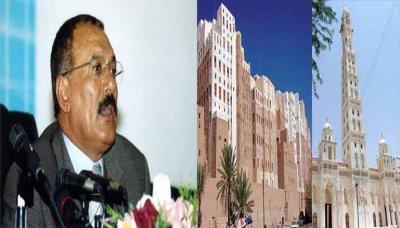
 President affirms Yemen cities role in Islamic culture



